
Why Is Air Duct Inspection Important?

Last winter, a client of mine turned on her furnace after months of not using it. Within an hour, her whole family had headaches. Nobody could figure out why. Turned out a dead bird had been sitting in the duct system since summer. That’s the kind of thing an air duct inspection catches before it becomes a headache — literally.
Most people never think about what’s running through the metal channels behind their walls. Air moves through there every single day. So does dust, mold, pet hair, and whatever else gets pulled in. You just don’t see it.
What Actually Happens Inside a Dirty Duct System
Ducts aren’t sealed vaults. They’re metal or fiberglass tunnels with joints, bends, and openings — and every one of those spots collects grime over time. Dust settles. Moisture creeps in from condensation. Given enough time and the right humidity, mold sets up shop and doesn’t leave on its own.
I’ve opened up duct systems that hadn’t been touched in a decade. The buildup looked like gray felt lining the entire interior. And that’s air people were breathing in every day, without knowing it.
The Air Duct Inspection Habit Most Homeowners Skip
Here’s the thing — people replace their air filters. They service their HVAC unit once a year, maybe. But the ductwork itself? Almost nobody checks it unless something’s already gone wrong.
That’s backwards. An air duct inspection should happen before symptoms show up, not after. Waiting for a problem means you’re already breathing whatever’s built up in there.
Signs Your Ducts Are Overdue for a Look
You don’t need a technician to notice the early warning signs. A few things usually point to trouble:
- Dust resettling on furniture within a day or two of cleaning
- A musty smell whenever the HVAC kicks on
- Uneven airflow between rooms, some vents barely blowing
- Family members with unexplained allergy flare-ups indoors
If two or more of these sound familiar, it’s worth getting someone in to check.
Health Problems That Trace Back to Dirty Ducts
This part isn’t theoretical. Mold spores, dust mites, and pet dander circulating through a duct system get pushed into every room, over and over, all day long. For someone with asthma or a compromised immune system, that’s not a minor inconvenience.
I’ve talked to a respiratory therapist who told me she asks patients about their HVAC maintenance before she asks about their smoking history. That surprised me at first. It shouldn’t have.
What a Real Air Duct Inspection Covers
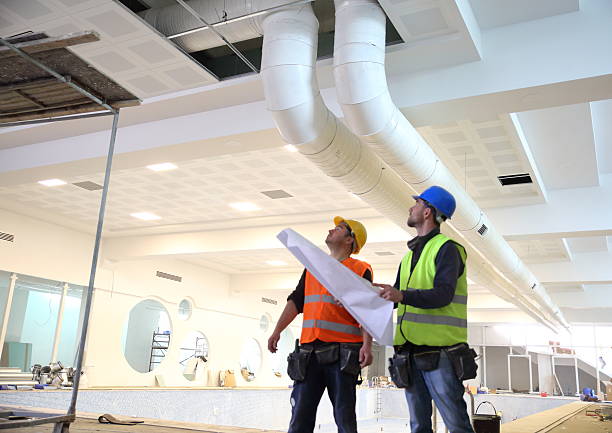
A proper inspection isn’t someone glancing at a vent cover and calling it done. It usually includes a camera run through the main trunk lines, a check for gaps or disconnected sections, moisture testing near the AC coil, and a look at the insulation condition where ducts pass through unconditioned spaces like attics or crawl spaces.
Some companies skip half of this and still call it an inspection. Ask what’s included before you agree to anything.
How Often Should You Actually Get One Done
Every three to five years is the general rule for most homes. But that number shifts. Got pets? Renovated recently? Live somewhere humid? Move that timeline up.
New construction homes often need an earlier check too — drywall dust and debris from the build phase love to settle right into fresh ductwork.
The Cost of Ignoring It
Skipping inspection doesn’t save money. It just delays the bill and makes it bigger. A clogged system forces your HVAC unit to work harder, which spikes energy costs and shortens the equipment’s lifespan. I’ve seen units die five years early simply because the return ducts were choked with buildup the whole time.
Replacing a compressor costs a lot more than a one-time inspection ever will.
Hiring the Right Person for the Job
Not every HVAC company does duct inspections well. Ask if they use a camera, not just a flashlight. Ask for photos or video of what they find — a legitimate technician has no problem showing you exactly what’s inside your system. If someone quotes you a price over the phone without seeing the house first, that’s a red flag.
Conclusion
Your ducts are doing quiet work every day, good or bad. An air duct inspection won’t fix everything on its own, but it tells you what you’re actually breathing and what your system is actually doing. Get one scheduled this season — don’t wait for a headache to remind you why it matters.