
Green Garden Sustainable Landscaping Seattle for Eco Living

Sustainable landscaping is becoming an essential choice for homeowners and businesses who want to create beautiful outdoor spaces while protecting the environment. In Seattle, where natural resources and climate conditions play a major role in landscape health, adopting eco-friendly practices is more important than ever. A green garden approach to sustainable landscaping focuses on conserving water, improving soil health, and using environmentally responsible methods to maintain vibrant outdoor spaces.
What Is Sustainable Landscaping
Sustainable landscaping involves designing and maintaining outdoor areas in a way that minimizes environmental impact while maximizing efficiency and beauty. It focuses on using natural resources wisely and creating landscapes that thrive with minimal intervention.
In Seattle, sustainable landscaping is particularly beneficial because it helps manage rainfall, reduces water waste, and supports local ecosystems. By adopting eco-friendly practices, property owners can create landscapes that are both functional and environmentally responsible.
For example, using native plants that are adapted to the local climate reduces the need for excessive watering and maintenance, making landscapes easier to manage.
Key Principles of Sustainable Landscaping
Water Conservation
Efficient water use is a cornerstone of sustainable landscaping. Techniques such as drip irrigation, rainwater harvesting, and smart irrigation systems help reduce water waste.
Mulching is another effective method that retains soil moisture and reduces evaporation, ensuring that plants receive consistent hydration.
Soil Health Improvement
Healthy soil is essential for strong plant growth. Adding organic matter such as compost improves soil structure and nutrient content.
Avoiding chemical fertilizers and pesticides also helps maintain a balanced ecosystem, supporting beneficial organisms that contribute to plant health.
Use of Native and Adaptive Plants
Native plants are naturally suited to Seattle’s climate, making them more resilient and easier to maintain. They require less water, fewer chemicals, and minimal care compared to non-native species.
Adaptive plants that can tolerate varying conditions also contribute to a sustainable landscape.
Energy Efficiency
Sustainable landscaping includes the use of energy-efficient lighting and equipment. Solar-powered lights and low-energy tools reduce environmental impact while maintaining functionality.
Benefits of Eco-Friendly Landscaping
Sustainable landscaping offers numerous advantages for property owners.
First, it reduces maintenance costs. Efficient water use and low-maintenance plants minimize the need for frequent care.
Second, it supports environmental health. By reducing chemical use and conserving resources, sustainable landscaping helps protect local ecosystems.
Third, it enhances property value. Eco-friendly landscapes are increasingly attractive to buyers and tenants, making them a valuable investment.
Water Management Strategies for Seattle
Managing water effectively is crucial in Seattle’s climate. While rainfall is abundant, improper drainage can lead to waterlogging and plant damage.
Rain gardens are an effective solution for managing excess water. These gardens are designed to absorb and filter rainwater, reducing runoff and improving soil health.
Permeable surfaces, such as gravel or permeable pavers, allow water to pass through, preventing pooling and supporting natural drainage.
Midway through implementing eco-friendly solutions, working with experts in landscaping seattle ensures that sustainable practices are applied effectively and tailored to your property.
Reducing Environmental Impact Through Landscaping
Sustainable landscaping focuses on reducing environmental impact in several ways.
Composting organic waste reduces landfill usage and improves soil quality. Using electric or low-emission equipment minimizes air pollution. Planting trees and shrubs helps improve air quality and provides natural cooling.
These practices contribute to a healthier environment while enhancing the beauty of outdoor spaces.
Creating a Sustainable Landscape Design
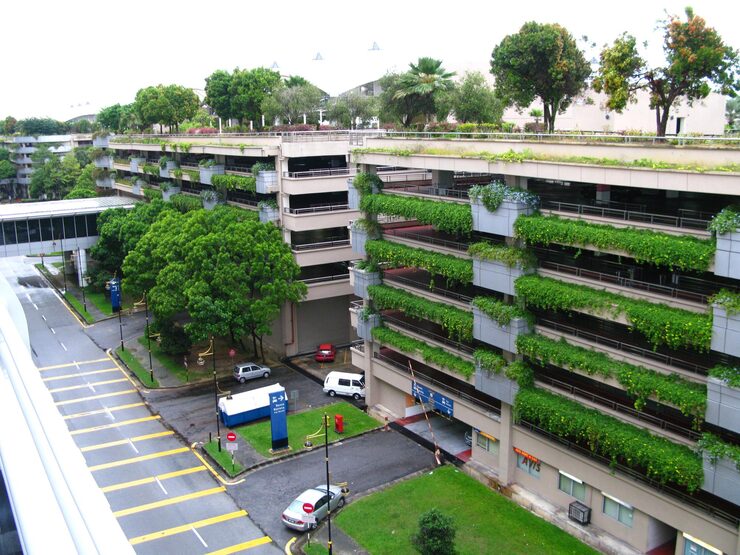
Design plays a crucial role in sustainability. A well-planned landscape ensures efficient use of space and resources.
Grouping plants with similar water and sunlight needs improves efficiency. Incorporating shade structures and windbreaks helps protect plants and reduce energy usage.
Thoughtful design ensures that landscapes remain functional, attractive, and easy to maintain over time.
Long-Term Maintenance for Sustainable Landscapes
Maintaining a sustainable landscape requires consistent care and monitoring.
Regular tasks such as pruning, mulching, and soil improvement help maintain plant health. Adjusting irrigation systems based on seasonal needs ensures efficient water use.
Long-term maintenance ensures that the landscape continues to thrive while minimizing environmental impact.
Choosing the Right Sustainable Landscaping Partner
Selecting a landscaping company that prioritizes sustainability is essential for achieving the best results. Look for a provider with experience in eco-friendly practices and a commitment to quality.
A reliable team will offer customized solutions, use environmentally responsible materials, and provide ongoing support for maintenance.
Working with professionals ensures that your landscape aligns with both your goals and environmental standards.
Conclusion
Green garden sustainable landscaping in Seattle offers a practical and environmentally responsible way to create beautiful outdoor spaces. By focusing on water conservation, soil health, and eco-friendly practices, property owners can achieve landscapes that are both attractive and sustainable. Investing in sustainable landscaping not only benefits the environment but also enhances property value and reduces long-term maintenance costs, making it a smart choice for modern living.
FAQ
What is sustainable landscaping?
Sustainable landscaping involves using eco-friendly practices to create and maintain outdoor spaces that conserve resources and support the environment.
How can I make my landscape more sustainable?
You can use native plants, install efficient irrigation systems, improve soil health with compost, and reduce chemical usage.
Why is sustainable landscaping important in Seattle?
It helps manage rainfall, conserve water, protect local ecosystems, and create landscapes that thrive in the region’s climate.