Building an Electric Home: A Sustainable Future
In recent years, the idea of building an electric home has gained significant traction among homeowners and builders alike. With the growing emphasis on sustainability and energy efficiency, transitioning to electric-powered homes offers both environmental and economic benefits.
Why Consider Building an Electric Home?
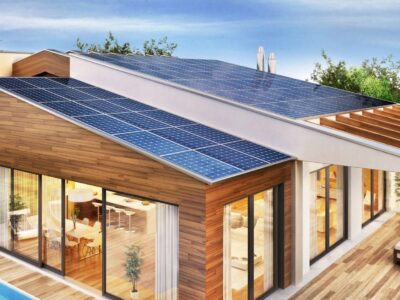
Switching to an electric home is more than just a trend; it’s a commitment to a cleaner future. Traditional homes rely heavily on fossil fuels for heating, cooking, and transportation. By contrast, building an electric home integrates renewable energy solutions such as solar panels, battery storage, and electric heating systems. This approach drastically reduces carbon emissions and helps homeowners save on energy bills over time.
Key Components of an Electric Home
When planning to build an electric home, several critical elements should be considered:
Energy-Efficient Appliances
Modern electric homes rely on high-efficiency appliances. Energy Star-rated devices, induction cooktops, and heat pump systems ensure that electricity is used optimally, minimizing wastage.
Renewable Energy Integration
Solar panels and small wind turbines can provide a significant portion of a home’s electricity needs. Combined with energy storage systems, homeowners can enjoy uninterrupted power even during outages.

building an electric
Smart Home Technology
Smart meters, programmable thermostats, and energy management apps allow residents to monitor and reduce energy consumption effectively. These technologies not only improve efficiency but also enhance convenience.
Sustainable Building Materials
Using materials with high thermal performance reduces the need for excessive heating or cooling, making building an electric home even more energy-efficient.
Benefits of Building an Electric Home
The advantages of constructing an electric-powered home extend beyond environmental impact:
-
Lower Energy Bills: Electric homes, particularly those utilizing renewable energy, can drastically reduce monthly utility expenses.
-
Reduced Carbon Footprint: Every electric home contributes to decreasing greenhouse gas emissions, promoting a healthier planet.
-
Future-Proof Investment: As governments introduce stricter regulations on fossil fuels, electric homes are better positioned to meet new standards.
-
Enhanced Comfort: Electric heating and cooling systems provide more consistent indoor temperatures compared to conventional methods.
Steps to Start Building an Electric Home
-
Assess Energy Needs: Evaluate your household’s electricity requirements and potential renewable energy sources.
-
Consult Experts: Work with architects and contractors experienced in sustainable construction.
-
Plan Smart: Incorporate energy-efficient layouts, insulation, and appliances.
-
Invest in Technology: Choose reliable solar panels, battery storage, and smart home systems.
-
Monitor and Optimize: Once built, track energy consumption to maximize efficiency and savings.
Conclusion
The future of residential construction lies in sustainable solutions. Building an electric home is not just an eco-friendly choice—it’s an investment in your comfort, finances, and the environment. By planning thoughtfully and integrating modern technology, homeowners can create residences that are both innovative and sustainable.
For detailed guides and professional insights on building modern electric homes, visit Modern Home Solution today and take the first step toward a greener future.